Loading...
AI agents helping businesses grow faster in 2026

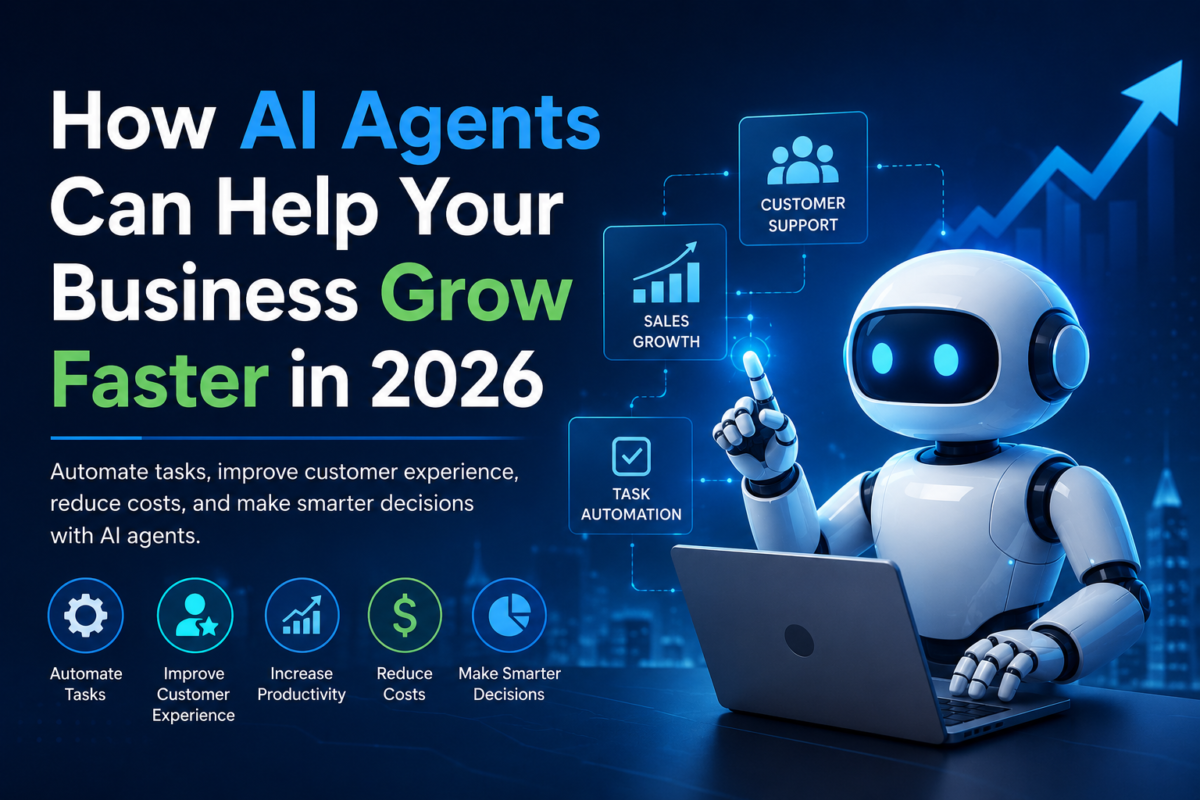
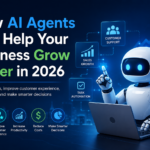
How AI Agents Can Help Your Business Grow Faster in 2026

Artificial Intelligence is no longer limited to chatbots and content generation. In 2026, AI agents are becoming a powerful tool for businesses that want to automate daily operations, improve customer experiences, reduce costs, and grow faster. From small startups to large enterprises, companies are exploring how AI agents can handle repetitive work while employees focus on more valuable tasks.

What Are AI Agents?

AI agents are intelligent software systems that can understand a goal, make decisions, and take actions with limited human intervention. Unlike traditional automation, AI agents can analyze information, adapt to changing situations, and complete multiple steps to achieve a specific objective.

For example, an AI agent can receive a customer inquiry, understand the customer’s requirement, search for relevant information, prepare a response, and update the customer record automatically.

How AI Agents Can Help Your Business Grow

1. Automate Repetitive Tasks

Many businesses spend valuable time on repetitive activities such as data entry, appointment scheduling, email responses, report generation, and document processing. AI agents can automate these tasks and allow employees to concentrate on strategy, creativity, and customer relationships.

2. Improve Customer Support

Customers expect quick and reliable responses. AI agents can provide 24/7 customer support, answer common questions, guide users through processes, and route complex issues to the right team. Faster support can improve customer satisfaction and help businesses build stronger relationships.

3. Generate and Manage Leads

AI agents can assist sales teams by identifying potential customers, collecting information, qualifying leads, sending follow-up messages, and updating CRM systems. This can help sales teams spend more time talking to high-quality prospects instead of performing manual administrative work.

4. Reduce Operational Costs

Business growth does not always mean increasing the workforce at the same rate. By automating suitable processes, AI agents can reduce manual effort and operational expenses. Businesses can use their existing resources more efficiently while handling a larger volume of work.

5. Make Better Business Decisions

AI agents can analyze large amounts of business data and provide useful insights. They can help identify customer trends, monitor performance, summarize reports, and highlight areas that require attention. This gives business owners and managers better information for making data-driven decisions.

Where Can Businesses Use AI Agents?

AI agents can be used across different departments, including sales, marketing, customer support, finance, HR, operations, and inventory management. They can also be integrated directly into your business website or mobile application to provide intelligent customer support, personalized experiences, automated services, and other AI-powered features.

Bring AI to Your Business

AI adoption is becoming an important part of modern digital transformation. If you want to add AI-powered features or AI agents to your business website or mobile app, the right technology partner can help you identify the best use cases and build a solution around your business requirements.

At Radils Technologies, we help businesses explore and implement modern software and AI-powered solutions designed around their specific needs.

Ready to make your website or mobile app smarter with AI? Contact Radils Technologies to discuss your requirements and discover how AI agents can help your business grow faster in 2026.

Final Thoughts

AI agents are becoming an important part of the future of business growth. By automating tasks, improving customer experiences, supporting sales, reducing operational costs, and providing smarter insights, they can help businesses work more efficiently and compete in a rapidly changing digital market.

The key is not to adopt AI simply because it is trending, but to identify the right business problems and use AI where it can create measurable value.
Real-World Use Cases of Generative AI

Generative AI (GenAI) has rapidly evolved from a niche research concept into one of the most transformative digital technologies of the decade. In 2025, businesses across the world are adopting Generative AI to automate workflows, improve customer experience, enhance creativity, strengthen decision-making, and accelerate innovation. With advanced models capable of handling text, images, audio, video, code, and real-time analysis, GenAI is redefining what modern enterprises can achieve.

1. AI-Powered Content Creation and Marketing Automation

Marketing has become one of the biggest beneficiaries of Generative AI. In 2025, brands rely heavily on AI-powered tools to create blogs, ad copies, social media posts, infographics, videos, email campaigns, landing page content, and even full marketing strategies.

Key Benefits

  • Rapid content creation
  • Personalised message targeting
  • Higher conversion rates
  • Significant reduction in costs for marketing

Generative AI tools like ChatGPT, Jasper, Copy.ai, and Adobe Firefly help marketers create dynamic content tailored to user behavior, demographics, and purchase intent. This level of personalization was previously impossible at scale.

2. Generative AI in Software Development & Engineering

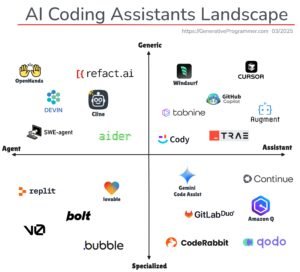
By 2025, software development has undergone a major revolution thanks to AI coding assistants and autonomous AI agents. Developers now use GenAI to:

  • Generate Codes in many languages
  • Bug fix and optimize the existing scripts
  • Technical documentation creation
  • Automate testing and deployment
  • Suggest improvements to the architecture

This transformation has reduced development time by up to 60% in many organizations, enabling teams to build applications faster and with fewer errors.

Where it’s being used

  • Enterprise-level systems
  • SaaS platforms
  • Mobile and web app development
  • Cloud engineering
  • DevOps automation

AI has become a “digital co-engineer,” improving productivity while allowing human experts to focus on complex problem-solving and innovation.

3. AI-Powered Customer Support & Virtual Assistants

Customer service has entered a new era with AI-powered virtual assistants capable of understanding context, emotions, and user behavior. Unlike traditional chatbots, GenAI-based support systems can:

  • Expressed accurately, as by a human.
  • Handle complex debugging.
  • Access customer history for personalized solutions.
  • Operate 24/7
  • Reduce the load on support up to 70%

Industries adopting AI support:

  • Banking
  • E-commerce
  • Healthcare
  • Travel & Hospitality
  • Telecom

With more autonomous AI agents, businesses show faster support and far higher satisfaction of their customers.

4. Generative AI for Healthcare Transformation

Some of the life-changing applications of Generative AI are happening in healthcare. AI is used by hospitals, clinics, and research laboratories: analyzing big sets of data and helping doctors make precise decisions on treatment.

Major Use Cases

  • Automated radiology reporting
  • Early diagnosis by means of image analysis
  • Personalized treatment plans
  • AI-powered drug development
  • Predictive health risk assessments

AI decreases the rate of diagnostic errors, plus it speeds up the process of identifying life-critical diseases: cancer, heart issues, and neurologic disorders. GenAI helps pharmaceutical firms shorten drug discovery cycles from years to months and can save millions in research costs.

5. Product Design, Engineering & Manufacturing

Generative AI is radically accelerating innovation in product design and industrial engineering. Companies use AI for:

  • Create 3D product concepts
  • Performance and durability, simulate
  • Suggest optimised materials
  • Reduce production defects
  • Predict equipment failure with AI-driven digital twins

This results in faster prototyping, reduced manufacturing costs, and improved product quality. From automobiles to consumer electronics, AI is reshaping how products are imagined and built.

6. AI in Financial Services & Risk Management

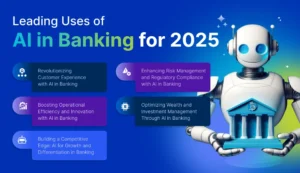
The financial industry leverages Generative AI to enhance security, automate workflows, and offer personalized banking experiences. AI models analyze transaction patterns, detect anomalies, and reduce fraud risks.

Top Applications

  • Real-time fraud detection
  • Automated financial reporting
  • AI-powered investment insights
  • Credit scoring optimization
  • Personalized financial advisory

Banks and fintech companies use GenAI to boost operational efficiency while delivering seamless digital banking experiences.

Conclusion: The Future of Generative AI in Business

Generative AI is no longer optional—it has become a strategic necessity for business growth in 2025. From marketing and software development to healthcare, finance, and manufacturing, AI is reshaping every industry by unlocking new possibilities and accelerating digital transformation.

Companies that adopt GenAI early gain a competitive edge through:

  • Improved productivity

  • Reduced operational costs

  • Better customer experiences

  • Faster innovation cycles

As AI continues to evolve, its role in shaping the global business landscape will only become more significant.

artificial intelligence

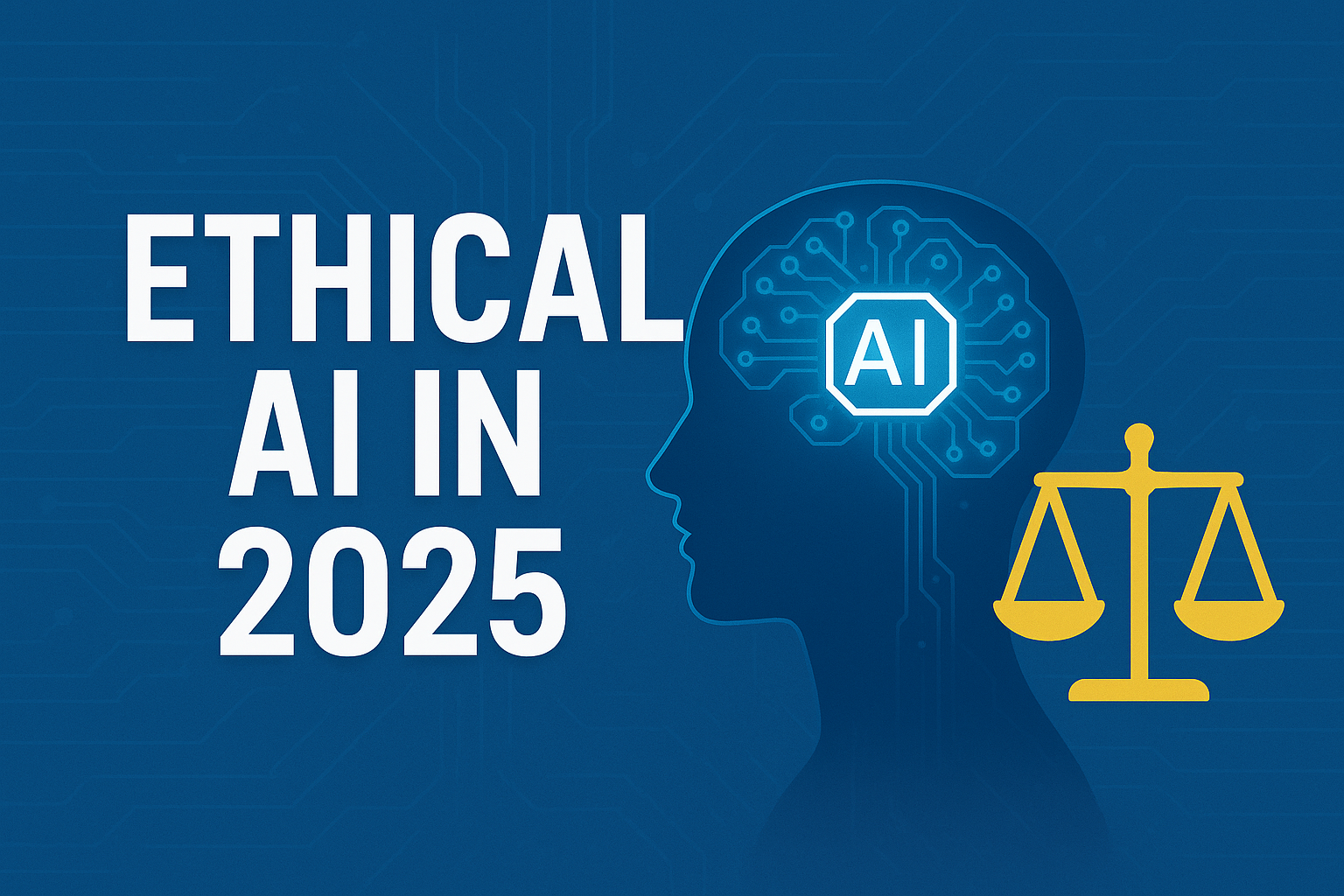
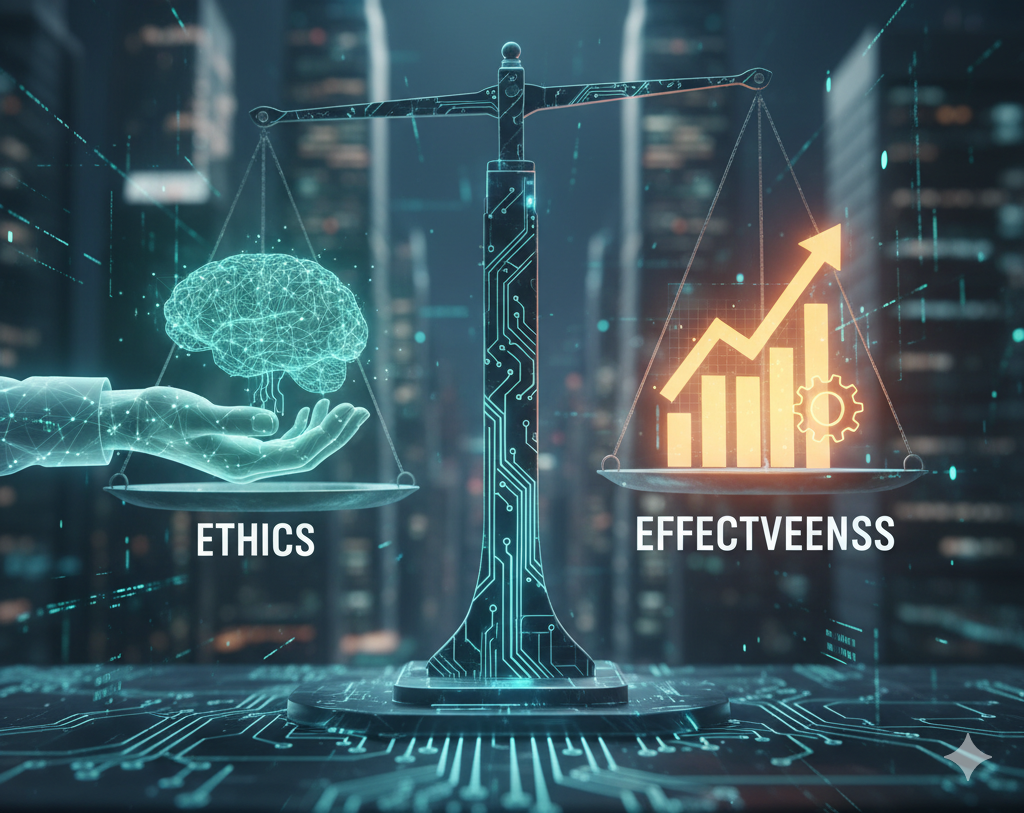
How to Use AI Ethically and Effectively in 2025

By 2025, artificial intelligence (AI) is no longer be something out of science fiction—it’s a fundamental part of our everyday lives, driving everything from targeted shopping suggestions to medical diagnostics. But with huge power comes great responsibility. As AI becomes increasingly influential, so does the imperative to apply it in a sensible and ethical manner.

As a business owner, developer, or simply an inquisitive user, it is critical that you know how to leverage AI responsibly. In this blog post, we will discuss best practices for using AI ethically, how to leverage AI’s potential without damaging privacy and society, and what you should know in 2025.

Why Ethical AI Matters

Ethical AI guarantees artificial intelligence systems are developed and implemented with fairness, transparency, accountability, and respect for human rights. In 2025, the negative effects of unethical AI are more apparent than ever—discriminatory algorithms, misuse of data, and deepfake technology can have devastating real-world consequences if not addressed.

The most important reasons ethical AI is important:

Prevention of bias and discrimination in employment, lending, healthcare, and beyond

Keeping user data and privacy safe

Guaranteeing transparency in decision-making by AI systems

Sustaining trust between consumers and companies

Highest Ethical Standards to Apply AI in 2025

To apply AI responsibly, people and organizations need to adhere to the following key principles:

  1. Explainability

AI systems must be explainable. Users have a right to understand how decisions are reached—particularly in high-risk domains such as finance or healthcare. Implement explainable AI (XAI) methodologies and transparently document data sources and decision-making processes.

  1. Data Privacy and Consent

See that data is gathered ethically from the user. In 2025, data regulations such as the GDPR and CCPA have triggered even more stringent privacy policies across the globe. Obtain explicit consent, anonymize information, and gather only what is essential.

  1. Bias Mitigation

Bias in AI tends to carry over from biased data. Utilize varied datasets, frequently audit algorithms, and adopt fairness-aware machine learning.

  1. Accountability

Clearly establish who is accountable for AI actions. If your AI system gets it wrong, there needs to be human accountability and mechanisms for redress.

How to Use AI Effectively in 2025

Aside from ethics, effective use of AI depends on strategic planning and value in the long term.

  1. Set Clear Goals

Determine what issues AI will address. Do not use AI simply because it is fashionable. Whether for automating customer support, enhancing supply chain operations, or enhancing marketing effectiveness, begin with a quantifiable goal.

  1. Select the Correct Tools

The 2025 AI landscape is filled with platforms such as OpenAI, Google Cloud AI, and AWS AI Services. Select tools that meet your objectives and enable ethical use (e.g., inherent bias detection or privacy settings).

  1. Educate Your Team

AI literacy is essential. Educate staff on how AI operates, what it can and cannot do, and how to collaborate with it. An informed team is more likely to utilize AI responsibly and efficiently.

  1. Monitor and Improve

AI systems improve. Continuously monitor performance, retrain models on new data, and stay alert for unforeseen effects.

Real-World Use Cases in 2025

Healthcare: AI helps doctors diagnose illnesses early with patient history and real-time information, preserving HIPAA-compliant privacy.

E-commerce: AI tailors shopping experiences but employs synthetic data to avoid tracking users.

Education: Adaptive learning systems employ AI to cater to multiple learning styles without disproportionately profiling students.

Final Thoughts: Balance Innovation with Integrity

As we move forward in 2025, AI is not only a tool—it’s a responsibility. If used ethically and effectively, AI can change industries, enhance lives, and fix hard problems. But if it’s misused, we can create bias, distrust, and harm.

By adhering to ethical principles and prioritizing deliberate, effective use, people and companies can tap into the actual potential of AI for good.